Qutb Shahi Tombs
Qutb Shahi Tombs is a collection of tombs located in the Ibrahim Bagh in Hyderabad, Telangana. These tombs were built to honor the members of the Qutb Shahi dynasty, who ruled the region during the 16th and 17th centuries. The Qutb Shahi dynasty was founded by Sultan Quli Qutb Shah, who was a general in the army of the Bahmani Sultanate.
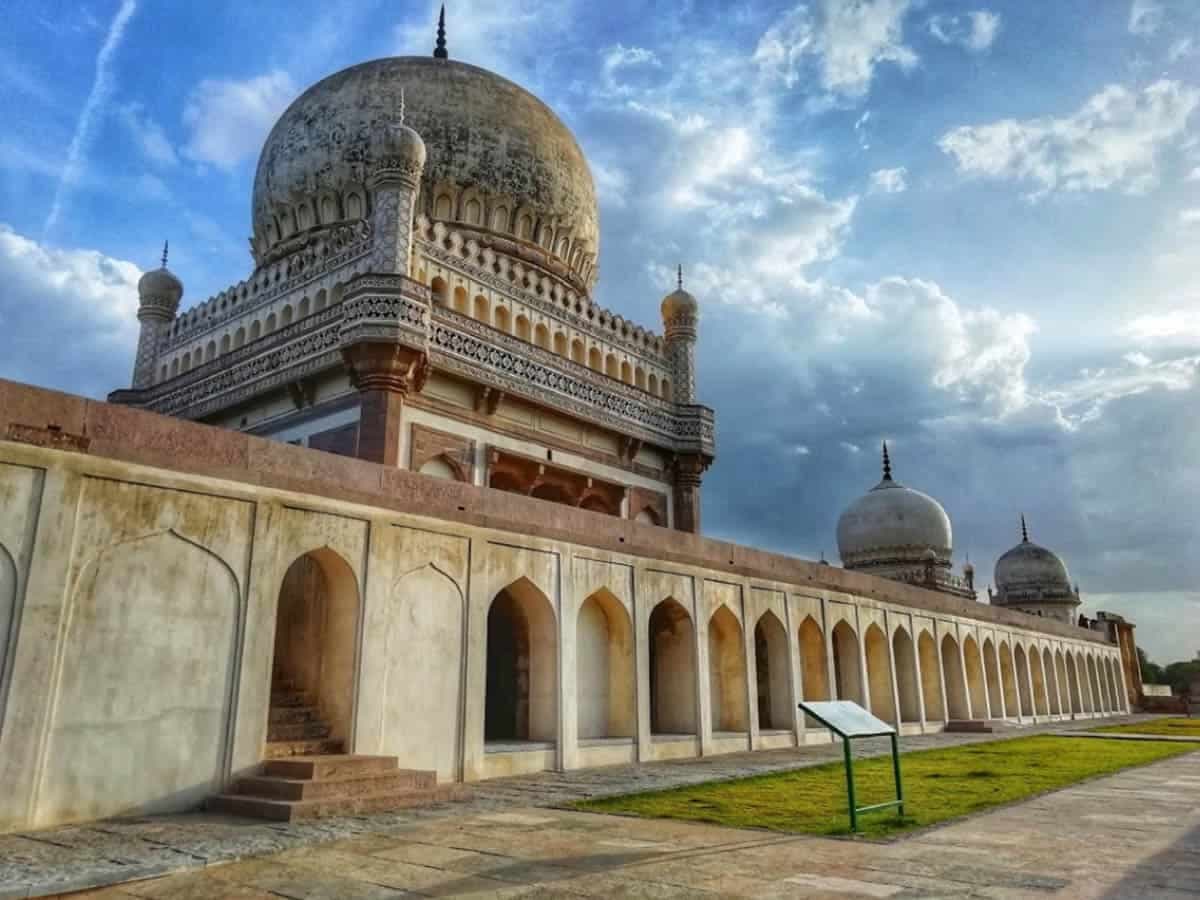
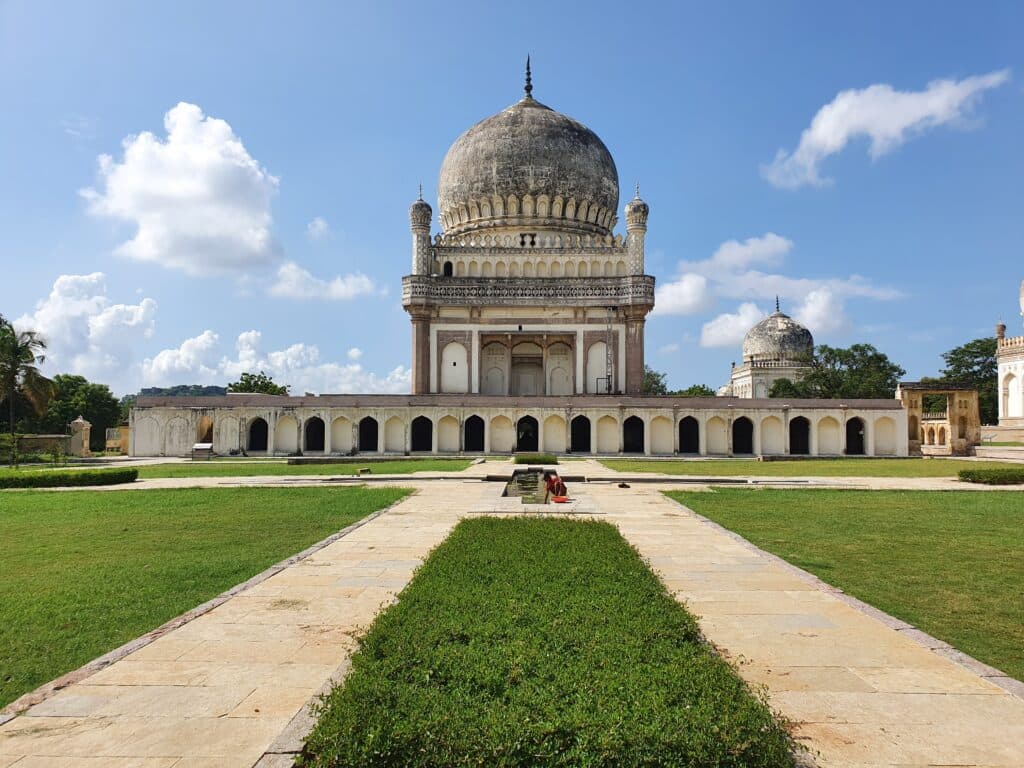
The tombs are located about a kilometer away from the famous Golconda Fort, and they showcase a unique architectural style that blends elements of Persian, Pashtun, and Hindu architecture. The tombs are made of grey granite and decorated with intricate stucco ornamentation, and are surrounded by landscaped gardens.
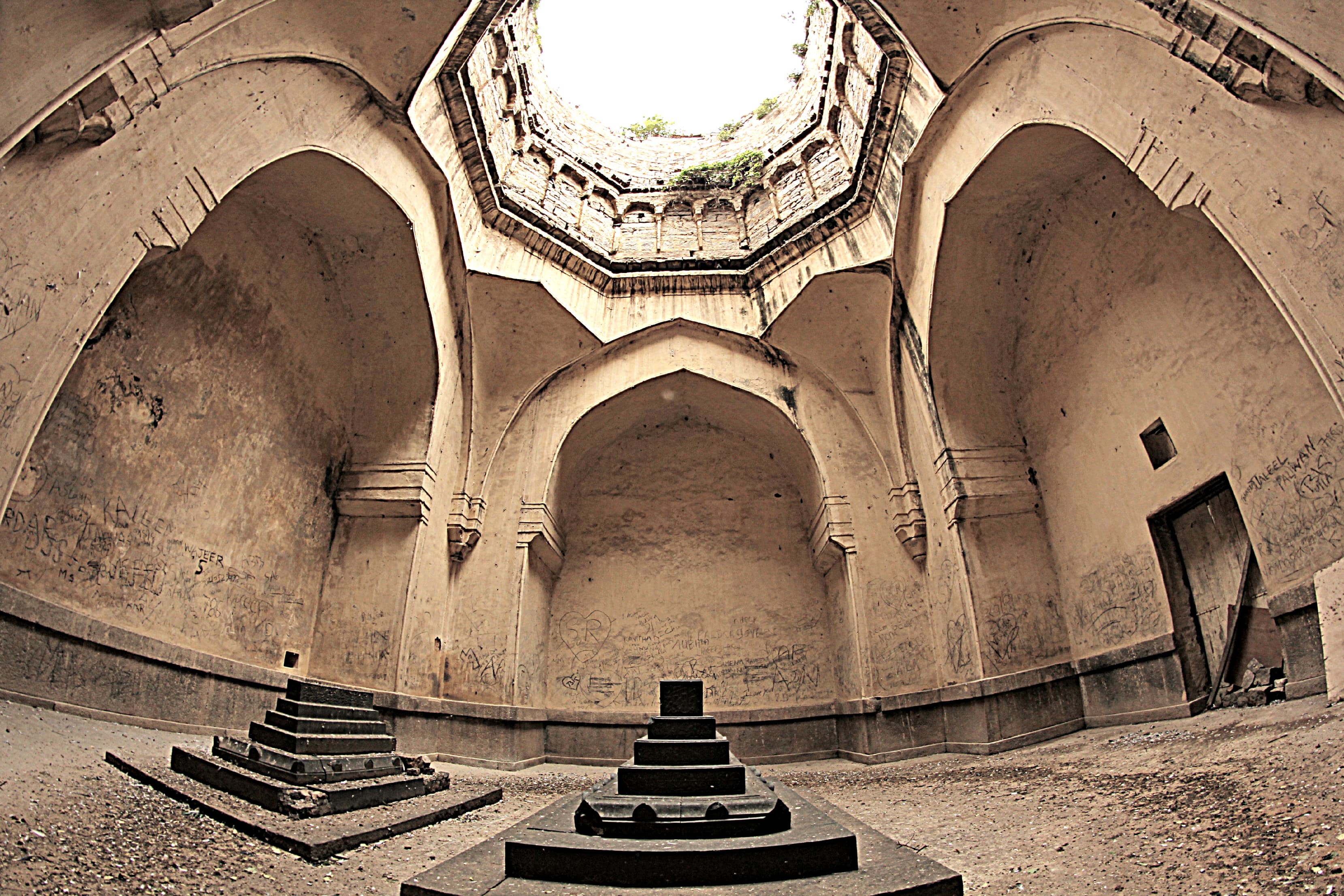
There are a total of seven tombs in the complex, including the tombs of Sultan Quli Qutb Shah, his son Jamshed Quli Qutb Shah, and several other members of the dynasty. The tombs are arranged in a linear pattern, and each tomb has its own unique architectural style and features.
The most impressive tomb in the complex is the mausoleum of Muhammad Quli Qutb Shah, who was the fifth ruler of the Qutb Shahi dynasty and the founder of the city of Hyderabad. This tomb is known for its impressive dome, which is 42 meters in diameter and 24 meters high.
The Qutb Shahi Tombs were restored in the 1990s by the Aga Khan Trust for Culture, and they were designated as a UNESCO World Heritage site in 2010. Today, the tombs are open to visitors and offer a glimpse into the rich history and architectural heritage of the Qutb Shahi dynasty.
Apart from the seven major tombs, there are also several smaller tombs and pavilions in the complex, which add to the overall grandeur of the site. The tombs are spread over an area of 108 acres and are surrounded by lush green gardens and ornamental water channels.
Today, the Qutb Shahi Tombs are an important tourist attraction in Hyderabad, drawing visitors from all over the world. The site is managed by the Telangana State Tourism Development Corporation, and visitors can take guided tours of the complex to learn more about the rich history and cultural significance of the tombs.