Salar Jung Museum
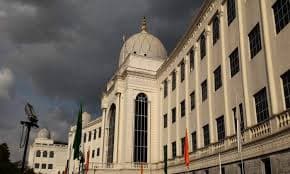
The Salar Jung Museum is a must-visit destination for art lovers. The museum features a vast collection of art, including sculptures, paintings, and textiles from around the world. The collection includes pieces from as far back as the 2nd century BCE and as recent as the 20th century
Salar Jung III, the founder of the museum, was an avid collector of art objects from a young age. His collection was so vast that he had to build a separate palace to house it all.
Salar Jung III was also a well-known bibliophile and had a collection of over 40,000 books. Many of these books were donated to the Osmania University Library in Hyderabad after his death.
The Salar Jung Museum is the third largest museum in India, after the Indian Museum in Kolkata and the National Museum in Delhi.
History
The museum is named after its founder, Salar Jung III, who was a member of the prominent Salar Jung family and served as Prime Minister of Hyderabad State in the early 20th century. He was a passionate collector of art objects and began amassing his collection at a young age. Over the years, his collection grew so vast that he decided to establish a museum to house it and make it accessible to the public.
The Salar Jung Museum was inaugurated in 1951, two years after Salar Jung III's death. At the time, it housed only a small fraction of his collection, but over the years, the museum has expanded and now boasts over 1 million objects.
The museum has a unique collection of clocks, including the musical clock mentioned earlier. The collection also includes a large number of European and Indian clocks, some of which date back to the 17th century.
Today, Chowmahalla Palace is open to the public and is a popular tourist destination in Hyderabad. The palace has been restored and renovated, and visitors can explore the palace's many rooms, courtyards, and gardens to experience the grandeur and opulence of the Nizams' lifestyle.
Collection
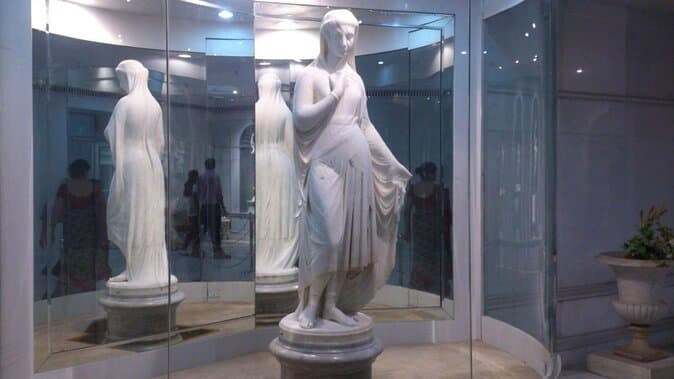
- Veiled Rebecca: This marble sculpture by Italian sculptor Giovanni Battista Benzoni is one of the museum's most famous exhibits. The sculpture depicts a veiled woman with intricate details on the veil, and it is said that it took the artist over 20 years to complete
- Musical Clock: The museum also has a musical clock, which was made in the 19th century in England. The clock features a miniature orchestra that plays music at regular intervals.
- Jade Room: The Jade Room houses a large collection of jade objects, including vases, bowls, and figurines. Many of these objects date back to the Ming and Qing dynasties of China.
- Indian Miniature Paintings: The museum has a large collection of Indian miniature paintings, which are known for their intricate details and vibrant colors. Many of these paintings date back to the Mughal era.
- European Paintings: The museum has a collection of European paintings, including works by famous painters like Raphael, Rembrandt, and Murillo.
- Furniture: The museum has a collection of antique furniture from India and Europe. The collection includes chairs, tables, cabinets, and other pieces of furniture.
- Manuscripts: The museum has a collection of rare and valuable manuscripts, including illuminated manuscripts from the medieval period.
- Numismatics: The museum has a collection of coins from various parts of the world, including ancient Roman coins, medieval Indian coins, and modern European coins.